



Adenosine Receptor
P1 receptor
Adenosine receptors (ARs) comprise a group of G protein-coupled receptors (GPCR) which mediate the physiological actions of adenosine. To date, four AR subtypes have been cloned and identified in different tissues. These receptors have distinct localization, signal transduction pathways and different means of regulation upon exposure to agonists. A key property of some of Adenosine receptors is their ability to serve as sensors of cellular oxidative stress, which is transmitted by transcription factors, such as NF-κB, to regulate the expression of ARs. The importance of Adenosine receptors in the regulation of normal and pathological processes such as sleep, the development of cancers and in protection against hearing loss will be examined.
Adenosine Receptor Isoform Specific Products
All Product Categories
-
Adenosine Receptor Inhibitors
(41)
View all products
-
Adenosine Receptor Agonists
(119)
View all products
-
Adenosine Receptor Antagonists
(203)
View all products
-
Adenosine Receptor Activators
(9)
View all products
-
Adenosine Receptor Modulators
(11)
View all products
-
Adenosine Receptor Degrader
(1)
View all products
-
Adenosine Receptor Ligands
(13)
View all products
-
Adenosine Receptor Related Products (428)
Related Products (428)

-
Antibodies (2)
-
Adenosine Receptor Isoform Comparison
-
Derenofylline
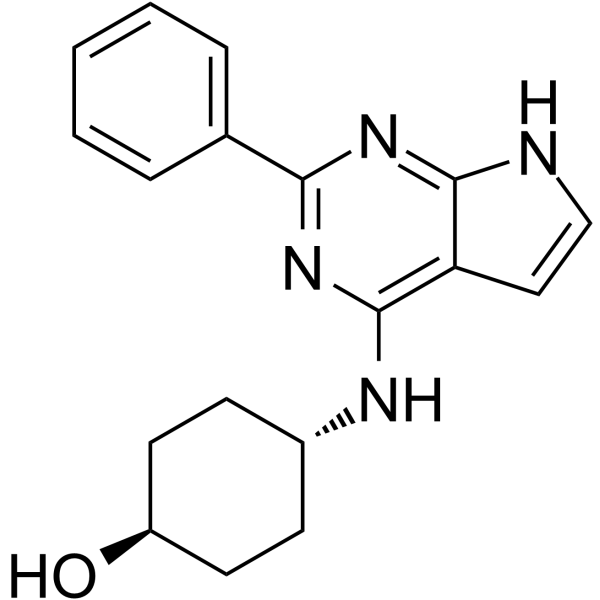 0 ImagesSynonyms: SLV 320Derenofylline (SLV 320) is a potent, selective and orally active adenosine A1 receptor antagonist, with Ki values of 1 nM, 200 nM and 398 nM for human A1, A3 and A2A receptors respectively. Derenofylline suppresses cardiac fibrosis and attenuates albuminuria without affecting blood pressure in rats.
-
PDRN
 0 ImagesCat. No.: HY-W250160CAS No.: 100403-24-5Synonyms: PolydeoxyribonucleotidePDRN (Polydeoxyribonucleotide) is a deoxynucleotide polymer mainly derived from the sperm of rainbow trout or salmon. PDRN inhibits pro-inflammatory factors and promotes VEGF expression via the cAMP-PKA pathway by activating the adenosine A2A receptor (A2AR), thereby driving angiogenesis and collagen deposition in fibroblasts. Degradation products of PDRN provide DNA raw materials for proliferating cells through the salvage synthesis pathway, accelerating re-epithelialization. PDRN reduces melanin synthesis and cell apoptosis by upregulating ERK/AKT phosphorylation and inhibiting the activities of MITF and tyrosinase, and resists skin aging by attenuating nuclear autophagy and blocking the interaction between LC3-SIRT1. PDRN is mainly used for wound repair, post-aesthetic surgery recovery and anti-aging research.
-
MRS1220
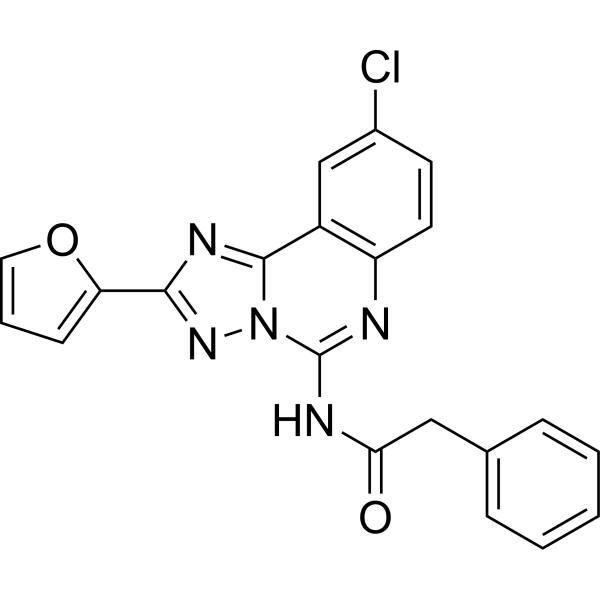 0 ImagesMRS1220, a highly potent and selective human A3 adenosine receptor (hA3AR) antagonist with a Ki of 0.59 nM, has therapeutic potential for the research of diseases of the central nervous system. MRS1220 reduces glioblastoma tumor size and blood vessel formation in vivo.
-
DPTN dihydrochloride
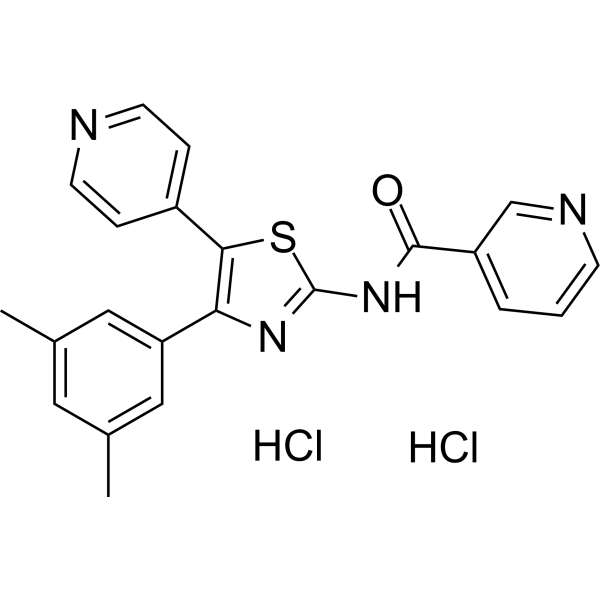 0 ImagesDPTN is a potent and selective human, mouse, and rat A3AR antagonist with Ki values of 1.65, 9.61, and 8.53 nM, respectively.
-
Inupadenant
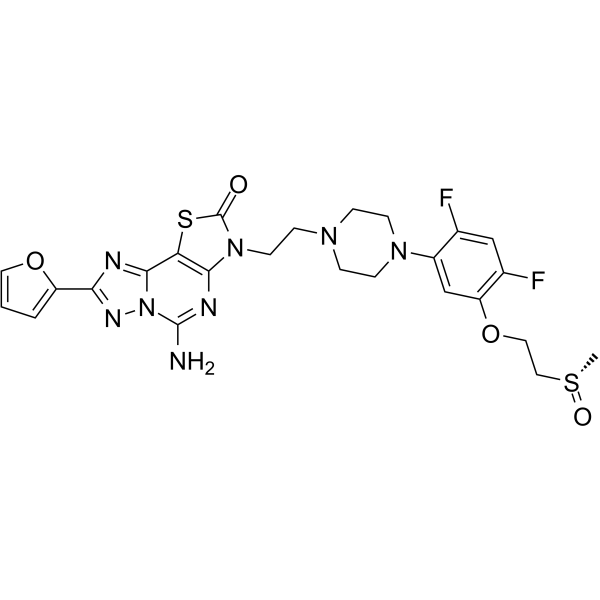 0 ImagesSynonyms: EOS-850Inupadenant is an orally active, highly selective A2A receptor antagonist. Inupadenant can not cross BBB. Inupadenant can enhance the humoral immune response and has anti-tumor activity.
-
N6-Benzyladenosine
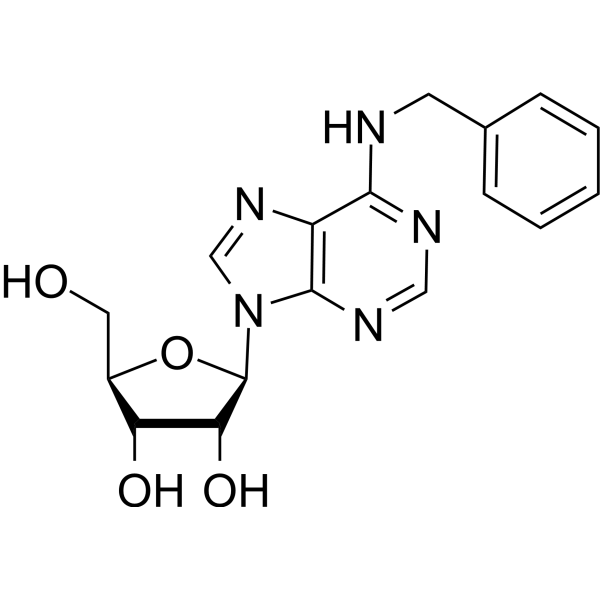 0 ImagesN6-Benzyladenosine is an adenosine receptor agonist, has a cytoactive activity. N6-Benzyladenosine arrests cell cycle at G0/G1 phase and induces cell apoptosis. N6-Benzyladenosine also exerts inhibitory effect on T. gondii adenosine kinase and glioma-.
-
Sipagladenant
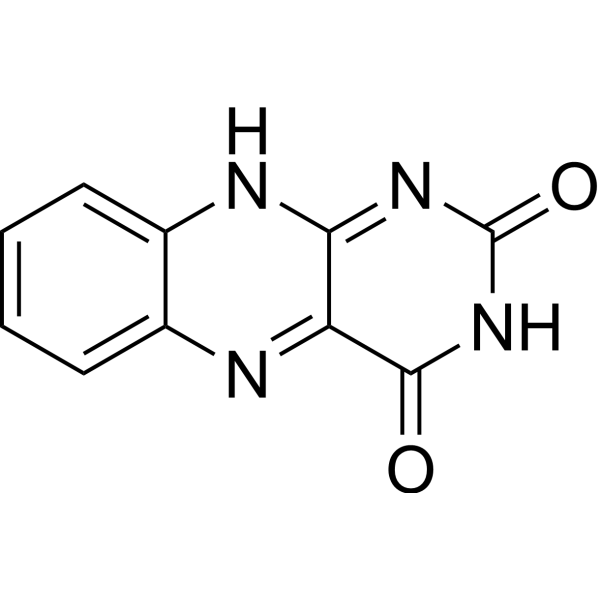
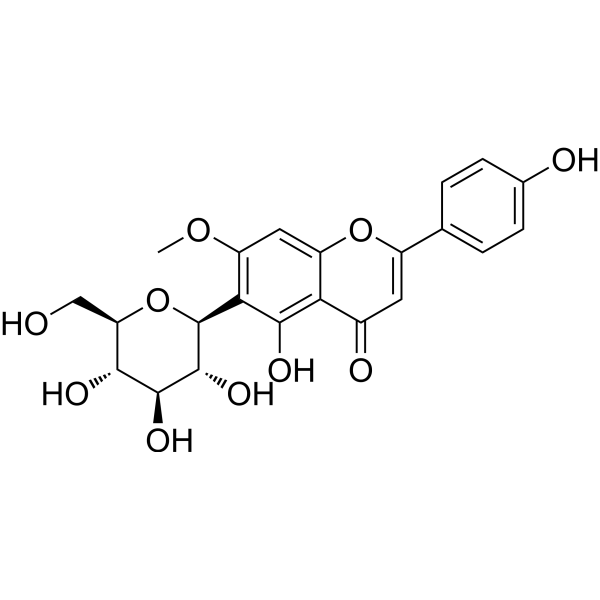
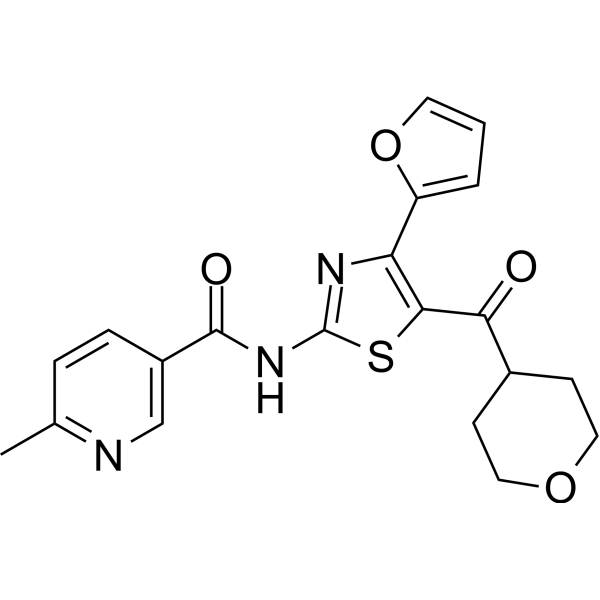 0 ImagesSynonyms: KW-6356Sipagladenant (Compound I) is an orally active adenosine receptor A2A inverse agonist. Sipagladenant can be used in frontal lobe dysfunction research.
-
PSB36
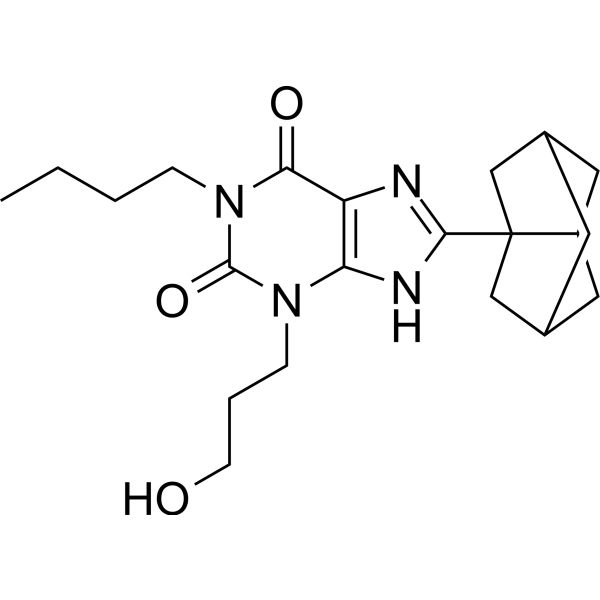 0 ImagesPSB36 is a highly selective A1 adenosine receptor antagonist, with a Ki of 0.12 nM and a Kd of 0.7 nM. Systemic administration of PSB36 reduces formalin- and Carrageenan (HY-125474)-induced edema in mice and decreases pain-related behaviors, with no local paw activity. PSB36 prolongs the APD90 of rat and human atria, produces a frequency-dependent prolongation of rat atrial ERP, increases the diastolic threshold of rat atria, and shortens the duration of atrial fibrillation episodes. PSB36 can be used in research related to inflammatory pain, inflammatory hyperalgesia, edema and atrial fibrillation.
-
GS-6201
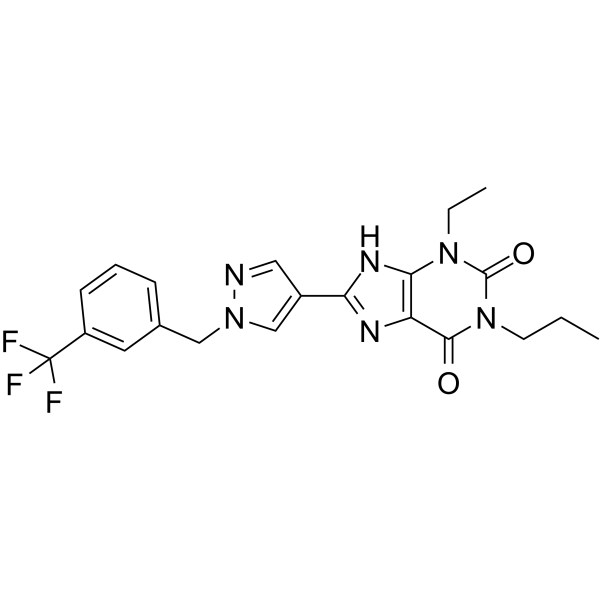 0 ImagesSynonyms: CVT-6883GS-6201 (CVT-6883) is a selective adenosine A2B receptor antagonist. GS-6201 displays high affinity and selectivity for the human adenosine A2B receptors (Ki=22 nM). GS-6201 reduces caspase-1 activity in the heart, and attenuates cardiac remodeling after acute myocardial infarction (AMI) in the mouse. GS-62013 attenuates the airway reactivity induced by NECA, AMP, or allergen in sensitized mice.
-
Theophylline (Standard)
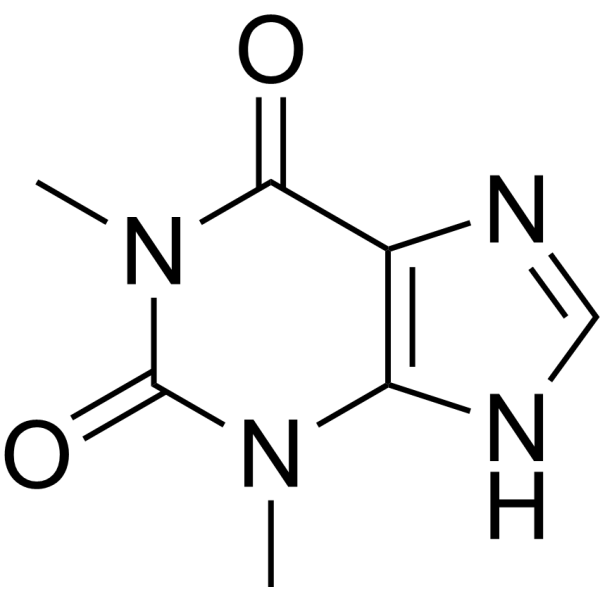 0 ImagesSynonyms: 1,3-Dimethylxanthine(Standard); Theo-24 (Standard)Theophylline (Standard) is the analytical standard of Theophylline. This product is intended for research and analytical applications. Theophylline (1,3-Dimethylxanthine) is a potent phosphodiesterase (PDE) inhibitor, adenosine receptor antagonist, and histone deacetylase (HDAC) activator. Theophylline (1,3-Dimethylxanthine) inhibits PDE3 activity to relax airway smooth muscle. Theophylline (1,3-Dimethylxanthine) has anti-inflammatory activity by increase IL-10 and inhibit NF-κB into the nucleus. Theophylline (1,3-Dimethylxanthine) induces apoptosis. Theophylline (1,3-Dimethylxanthine) can be used for asthma and chronic obstructive pulmonary disease (COPD) research.
-
FR194921
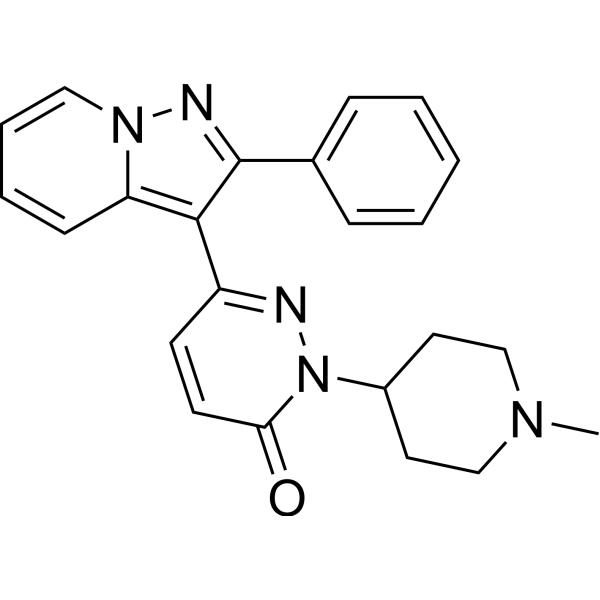 0 ImagesFR194921 is a potent, selective and orally active and cross the blood-brain barrier Adenosine A1 antagonist with Ki value of 6.6, 5400 nM for A1, A2A, respectively. FR194921 shows cognitive-enhancing and anxiolytic activity.
-
(E)-8-(3-Chlorostyryl)caffeine
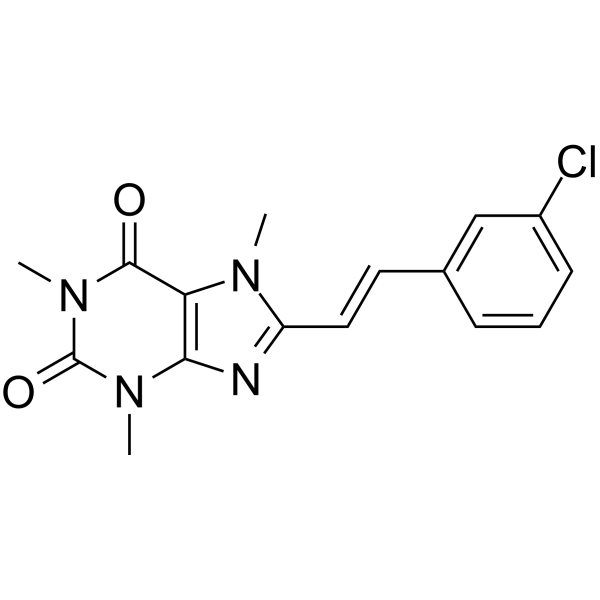 0 ImagesSynonyms: (E)-CSC(E)-8-(3-Chlorostyryl)caffeine is a selective adenosine A2A receptor antagonist. (E)-8-(3-Chlorostyryl)caffeine inhibits monoamine oxidase B (MAO-B) with a Ki value of 70 nM by a pathway that is independent of its actions on the A2A receptor. (E)-8-(3-Chlorostyryl)caffeine has the potential for Parkinson's disease research.
-
Doxofylline
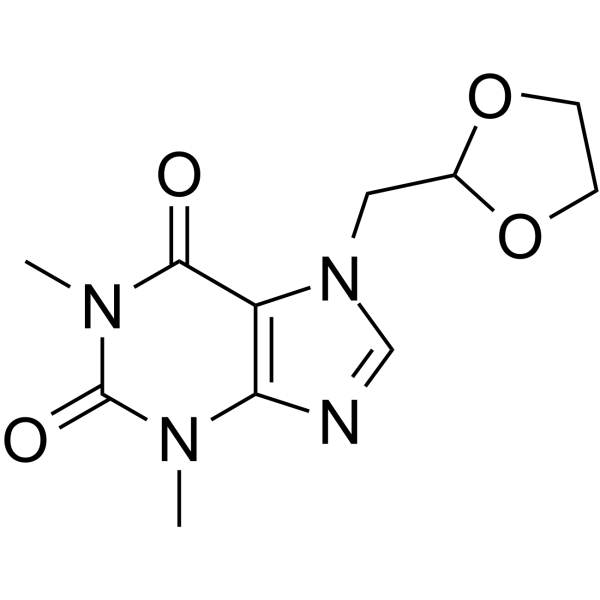 0 ImagesDoxofylline is an orally active PDE IV inhibitor and A1AR antagonist. Doxofylline reduces inflammation in epithelial cells via inhibiting mitochondrial ROS production and amelioration of multiple cellular pathways (NLRP3-TXNIP inflammasome activation). Doxophylline can be used in studies of asthma, chronic obstructive pulmonary disease, and bronchospasm.
-
UK-432097
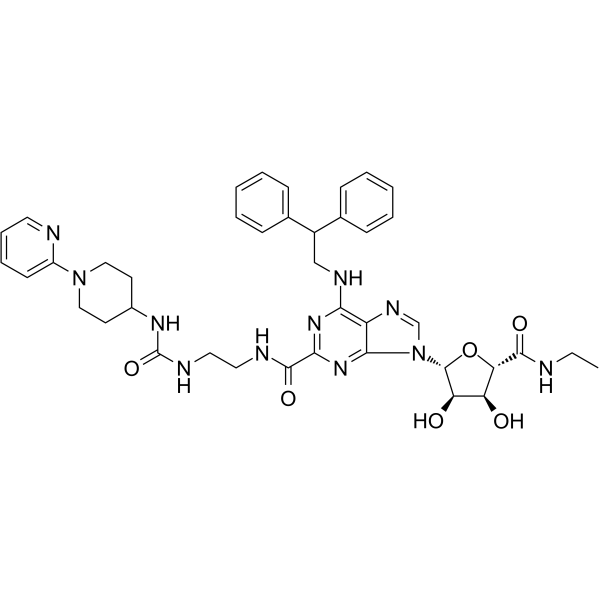 0 ImagesUK-432097 is a highly potent and selective A2AAR agonist with a pKi of 8.4 for human A2AAR. UK-432097 has anti-inflammatory and anti-aggregatory properties. UK-432097 has the potential for COPD (Chronic Obstructive Pulmonary Disease) research.
-
Capadenoson
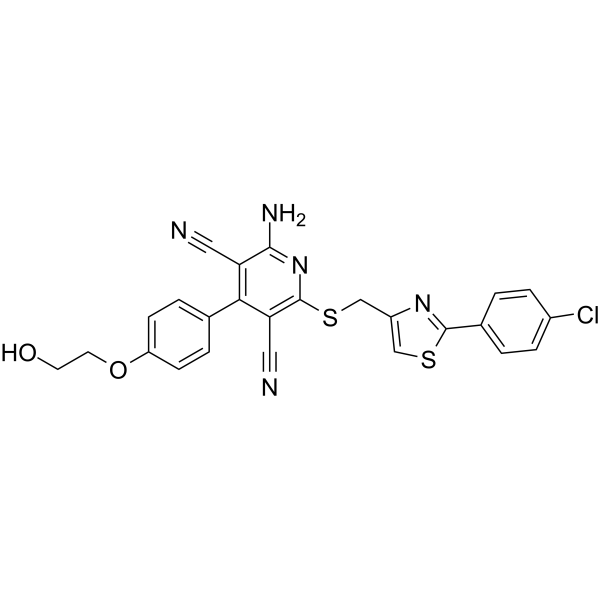 0 ImagesSynonyms: BAY 68-4986Capadenoson is a selective agonist of adenosine-A1 receptor.
-
Tozadenant
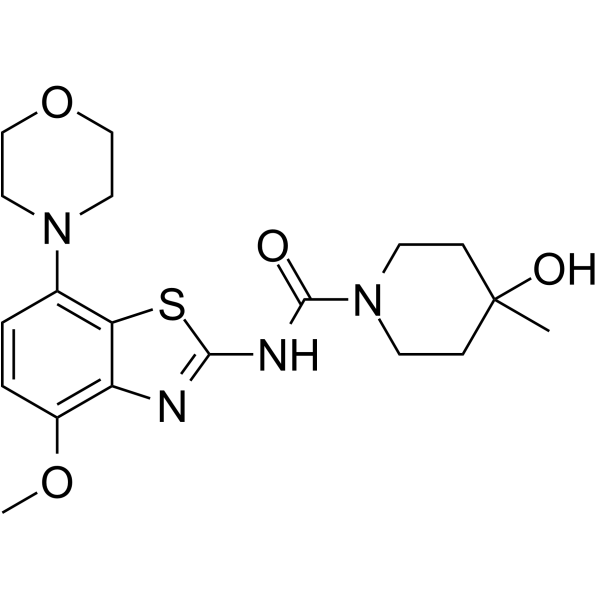 0 ImagesSynonyms: SYN115Tozadenant is an adenosine A2A receptor antagonist, with Ki of 11.5 nM on human A2A and 6 nM on rhesus A2A.




